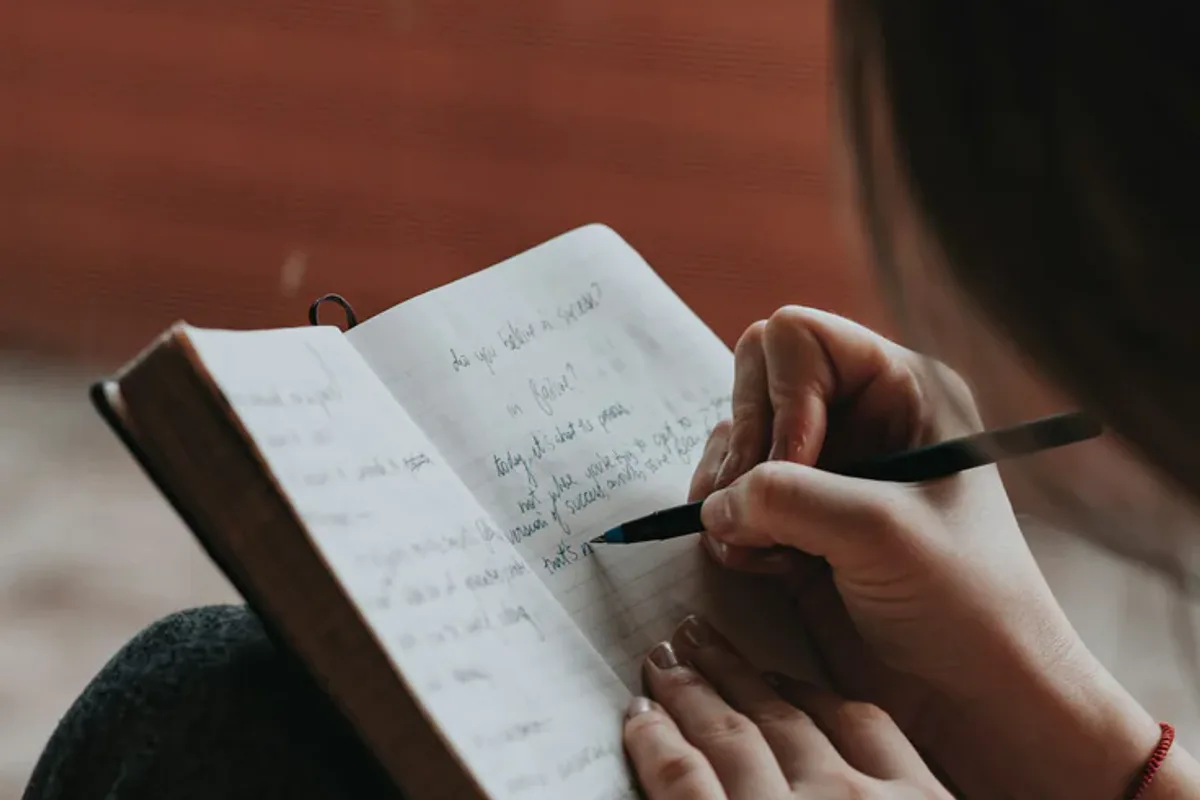
Exam stress shows up on a predictable calendar in India. CBSE boards, NEET and JEE Main land within a few weeks of each other, and by January most Class 12 students are running a countdown in their heads. A little of that pressure helps; it gets you to open the book. The problem starts when exam stress stops switching off — when it follows you to bed, kills your appetite, and turns a two-hour paper into a threat your body reacts to as if it were physical danger. This guide separates the exam stress that is doing its job from the kind that needs attention, and sticks to what has actually been shown to help.
When exam stress is normal and when it is not
Normal exam stress has a shape. It rises as a paper approaches, sharpens your focus for a few hours, and settles once the exam is over. The National Institute of Mental Health, in its fact sheet for teens and young adults, draws a useful line between stress and anxiety: stress is your body's response to an external cause, such as a pile of homework or an exam, while anxiety is the reaction that can keep going even when nothing threatening is in front of you. Exam stress that behaves like the second kind is worth watching. If you are lying awake at 2 a.m. three weeks before the paper, losing your appetite, getting headaches or stomach aches with no medical cause, or avoiding study because opening the book makes you feel sick, that is no longer stress doing its job. One exam does not decide a whole life, even though it feels that way in the moment, and a body stuck in alarm for weeks is a signal, not a character flaw.
What actually reduces exam stress before an exam
Three habits have the best track record for bringing exam stress down, and none of them is reading your notes over again. The first is retrieval practice: closing the book and testing yourself. Doing forty past-paper questions and marking them honestly teaches your brain the exam far better than highlighting the same chapter a fourth time, and it swaps the vague fear of the unknown for a concrete sense of what you can and cannot yet do. The second is breathing you can use inside the exam hall. The American Psychological Association recommends short relaxation practices, including a few minutes of slow breathing; inhale to a count of four, exhale to a count of four, and repeat until your heart rate settles. The third is a schedule you will actually follow. A realistic timetable that blocks study into ninety-minute stretches with real breaks beats a fantasy plan that assigns fourteen hours a day and collapses by Wednesday. Build in one full day off a week. Exam stress feeds on the gap between what you planned and what you managed, so a smaller plan you finish does more for your nerves than a heroic one you abandon.
Sleep and the study cycle
Sleep is study time, even though it does not feel productive. Harvard Health describes how sleep reactivates and reorganizes recently learned material, and reports that naps between six and ninety minutes can improve memory and problem-solving. This is why the all-nighter is such a poor trade: the hours you claw back by skipping sleep are the same hours your brain would have spent locking in what you studied. A student who crams until 4 a.m. walks into the hall with fresher facts and a weaker ability to retrieve them. During exam weeks, protect seven to eight hours the way you protect revision time, keep a steady sleep and wake time even on off days, and stop caffeine by early afternoon so it clears your system before night. If you must review late, a short nap afterward does more for memory than one more hour of rereading.
The traps that make exam stress worse
Some popular exam-stress habits make it worse, and they are easy to spot once you name them. All-nighters are the obvious one, already covered above. Catastrophising is the quieter one: the thought spiral that runs from a single hard question to "I'll fail this paper" to "I'll never get into medical college" to "my life is over." The American Psychological Association points to cognitive behavioural therapy for exactly this pattern, because the thought you believe drives the panic you feel. Catching the jump early takes the charge out of it: one hard question does not decide the paper, let alone the year. Over-caffeination is the third trap; a second energy drink at midnight buys jitters that read exactly like anxiety and wreck the sleep you needed. Comparison is the fourth. Scrolling a topper's fourteen-hour schedule on YouTube at 11 p.m. does nothing for your preparation and plenty for your dread. Exam stress grows in these habits, so cutting them is often faster than adding new techniques.
When exam stress needs real support
Sometimes exam stress crosses into territory where self-help is not enough, and knowing that line matters more than any study tip. If low mood, dread or physical symptoms last more than two weeks, if you have stopped eating or sleeping, if you are pulling away from friends and family, or if the pressure has you thinking you would be better off not here, that is a wellbeing concern and it deserves real support. Talking to a school counsellor, a psychologist or a doctor is a normal step, and the earlier the better. India runs a free, round-the-clock mental health helpline built for exactly this. Tele-MANAS, part of the National Tele Mental Health Programme, can be reached by dialing 14416 from anywhere in the country, in multiple languages, at no cost. If you or someone near you is in immediate danger or thinking about self-harm, call the national emergency number 112 right now, or go to the nearest hospital. Reaching out during exam season is not weakness, and it will not cost you the exam. It is the same good judgment that made you prepare in the first place, turned toward the part of you that also needs to make it through.