Manifesto

Human OS manifesto

AI is supposed to make humans more human. Soul Yatri is the operating system that does.

Soul Yatri is built around a different product direction from a public feed or an open-ended replacement companion. Human-first AI, no public follower count, no infinite public feed, and explicit confirmation before a reflection is saved. The goal is to help a person understand a pattern, choose a next step, and return to real life and real relationships.

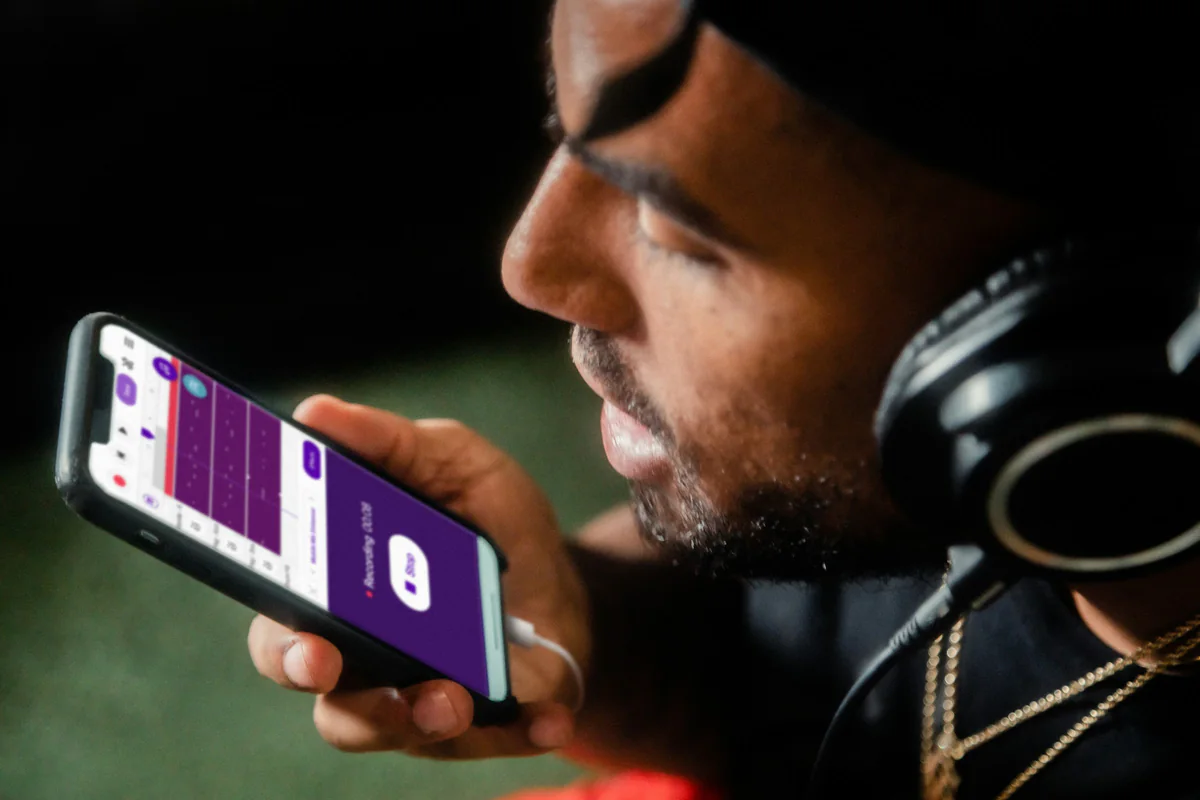
Man speaking into a phone while wearing headphones

Editorial method

Reviewed against current Yatri AI age-sensitive content limits, confirmation-gated insight saves, action confirmation, and public product navigation.

Direct answer

An AI operating system for humans is a coordinated layer for reflection, learning, support discovery, and intentional connection. Soul Yatri applies that idea through bounded AI, journaling, courses, practitioner profiles, relationship tools, and reflective astrology while keeping the user responsible for real decisions and human conversations.

Core idea

A human operating system is a product model that coordinates self-understanding, learning, support discovery, and human connection across a person’s life, in the way a desktop operating system coordinates separate tools.

Section 01

The two design failures Soul Yatri is built against

Two product paradigms have dominated the last decade of social and emotional software. Both are now in active backlash.

  • Public social products organise identity around feeds, reactions, and follower metrics; those mechanics are not appropriate defaults for private emotional reflection.
  • Open-ended companion products can encourage a user to treat software as a relationship unless the boundary is stated and reinforced.
  • Both patterns can keep attention inside the product when the healthier next step may be a journal entry, a decision, rest, or a conversation with a real person.
  • Soul Yatri starts from the opposite premise: AI’s job is to make humans more human, not to substitute for them.

Section 02

What "operating system for humans" actually means

A desktop operating system co-ordinates apps and resources so the user can think about their work, not the plumbing. A human operating system co-ordinates the layers of inner life so the user can think about being a person, not assembling care across five disconnected apps.

  • Self-understanding layer: private journaling, reflective astrology, attachment-aware reflection, and Yatri AI prompts that turn raw experience into named patterns.
  • Support layer: practitioner discovery, structured wellness courses, and clear boundaries between public information and authenticated support flows.
  • Learning layer: pillar guides, courses, founder essays, and reflective prompts that build emotional literacy as a skill, not a content treadmill.
  • Connection layer: Soul Circle for intent-based human matching (friendship, peer support, mentorship), couples and dating clarity work, and corporate or campus wellness programs that respect privacy.
  • AI layer: Yatri AI is positioned as a bounded reflection tool that proposes next steps and requires confirmation before saving an insight.

Section 03

The three founding principles

Every Soul Yatri design decision has to pass these three filters. They are the architecture of the category, not slogans.

  • AI should make human choices clearer rather than positioning software as a relationship. Yatri AI’s base safety boundary defines it as a reflection companion rather than a therapist, emergency service, or human friend; it prohibits pressure and false intimacy and applies age-sensitive limits to dating and sexual content.
  • Connection is intent-based, not engagement-based. Soul Yatri matches on what you actually need from a human right now — a culturally-aware therapist, a friend for late-night honesty, a peer who has survived what you are walking through, an astrologer who treats charts as reflection rather than fate. No public feed. No follower count. No infinite scroll.
  • Support is coordinated through explicit flows. Journaling, reflective astrology, courses, practitioner discovery, community, and AI can point toward one another without implying that private notes are automatically shared between them.

Section 04

Why coordinate these tools in one human-first journey

The category matters only if coordination removes friction and helps a person make a clearer, safer next decision.

  • A person should not need five disconnected accounts to move from reflection to learning, practitioner discovery, or an intentional conversation.
  • A bounded AI tool should make memory, action, and high-risk limits visible instead of borrowing the language of a human relationship.
  • A coordinated product can preserve distinct purposes while making the next relevant pathway easier to find.
  • The category earns trust through shipped controls and useful outcomes, not by claiming to be first or inevitable.

Common questions

What is an AI operating system for humans?

An AI operating system for humans is a coordinated product layer for self-understanding, learning, support discovery, and human connection. Soul Yatri applies the idea through bounded AI, journaling, courses, practitioner profiles, intentional matching, relationship tools, and reflective astrology.

How is Soul Yatri different from Instagram, TikTok, Snapchat, or BeReal?

Conventional social platforms organise activity around feeds, reactions, and follower metrics. Soul Yatri currently has no public follower count or infinite public feed; it organises reflection and connection around private journeys and user-controlled next steps.

How is Soul Yatri different from Replika and Character.ai?

Replika and Character.ai are open-ended companion and character products. Soul Yatri takes a different product direction: Yatri AI uses non-clinical boundaries, age-sensitive content limits, confirmation before separate insight-save actions, and deterministic high-risk response and report paths.

Why is Soul Yatri called an "operating system" instead of just an app?

Because most apps own a slice of your life: a dating app for matches, a therapy app for sessions, an astrology app for horoscopes, a journaling app for thoughts. Soul Yatri uses the operating-system metaphor for a coordinated journey across self-understanding, learning, support discovery, and human connection, with product-specific privacy and action controls.

What does intent-based matching mean?

Most platforms match on what you look like (Instagram), what you swipe (Tinder), or what you click (TikTok). Soul Yatri matches on intent — what you actually need from a connection right now: a therapist who understands your culture, a friend for late-night honesty, a peer who has survived what you are walking through, a counselor for an exam crisis, an astrologer who treats charts as reflection rather than fate. Matches are private, time-bounded, and consent-gated.

Is Soul Yatri available outside India?

The public website can be read outside India, but practitioner availability, pricing, language support, legal terms, and individual product features can vary by location. Check the current service flow before relying on availability in a particular country.

How does Soul Yatri make money without ads?

Soul Yatri is designed around subscriptions, pay-per-session support, courses, consultations, product usage, and B2B wellness programs instead of an advertising-funded attention feed. Sensitive therapy, journal, AI, and relationship context should remain purpose-limited and governed by explicit product access controls.